
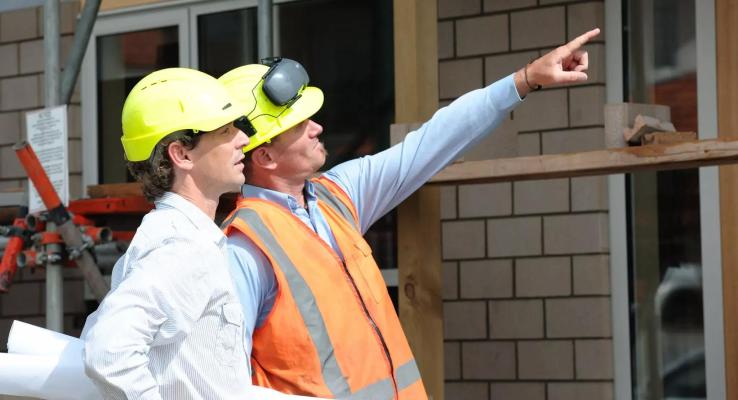
The process of purchasing a home is thrilling and daunting. Proper inspection of the house assists in protecting your investment since you would discover things that would not pass the home inspection, what the inspectors inspect in inspecting a home and what should be inspected in a home inspection before committing yourself. At J Burk Home Inspections, we aim to make you look deeper: we think that a proper checklist of an inspection and a right set of questions to ask home inspector would save you thousands of possible bills of repairs. Later on we will go through the inspection red flags, provide you with a checklist of what you need to check at the house inspection and provide you with some questions to ask your home inspector to be sure that you are making the right choice.
The home inspectors checklist normally follows a home inspectors checklist of most of the systems; foundation, roofing, electrical, plumbing, HVAC, and interior/exterior structure. They check such aspects as whether the wiring is old or unsafe and what is checked during a home inspection related to the leaks in plumbing or drainage and checks on mould, dampness and ventilation issues. Another part of the inspection is what to look at in the process of inspecting a house: there may be some indications of structural damage like a wall crack or a door that does not open appropriately. Others that the inspectors consider during a house inspection in roofing condition, insulation, and dangers are also included. These facts form the basis of your inspection report and red flags that you can not overlook.
There are some of the problems that may fail home inspection – the things that pose severe danger. Such fundamental issues as significant cracks, settlement, or water intrusion are some of the largest red flags; such problems may jeopardize structural completeness and be extremely expensive to fix. Deficiencies of electrical systems, including overloaded circuits, knob-and-tube wiring of older design or improperly-grounded outlets also frequently fail. Leaks, poor ventilation, or missing shingles are typical failures in roofing. Other items to consider during a home inspection that usually result in a fail are mold, moisture and pest or termite damage. All of these and all of them together may complicate the process of insurance or make house insurance inspection checklist more rigorous.

On the part of the buyer, a clever way to go about it is to visit the inspection and have a house inspection checklist. The things to look for at a house inspection include water stains at sinks, proper grading and drainage, doors and windows which close well, and evidence of roof damage. What to check on a self inspection of a house: odors, suspiciously dampness, loose railings, and drooping ceilings. Moreover, some items to consider when inspecting a house in plumbing are low water pressure, slow drainage, and signs of previous leakages. The benefit of also having your own eyes on the inspection is that you will be able to pose knowledgeable questions to ask home inspector and determine what may be worth negotiating or leaving.
There are questions that you need to ask to home inspector that can make your inspection experience a much better one. Pre-assessment questions: What is the largest red flag in a home inspection that you have ever seen? Check also what is checked during a home inspection, and whether there is an inquiry on permit violation. When inspecting you may be asked: Why are you inspecting this area? or “Is this hazard to safety urgent? Once presented with the report, request what repairs are necessary and cosmetic ones. These are the questions to ask house inspector to make you prioritize what fails a home inspection, what you will budget, and whether insurance will be affected.
The worst thing in a home inspection is that the foundation problems are usually the foundation problems, hence it is important to be aware of the common issues in the foundation. Examine huge, horizontal or stair-step cracks, uneven settling, or bowing inward foundation walls. They are likely to fail a home inspection and impact house insurance inspection, because the home insurance insurers tend to reject the homes with extreme structural problems. In addition to the problem, there are other major problems such as old or unsafe electrical wiring, leaks that cause mold and deteriorate over time, and pest problems such as termites or rodents. These are not merely cosmetic, as they have a difference on the safety, resale value and long term costs. Being informed on what you should expect in an inspection of the home will enable you to pose effective questions to your home inspector and prevent unexpected costs.
It is possible to use a good home inspection check list to inform both buyers and sellers. To buyers, structural integrity of the check (foundation, roof, walls), plumbing – faucets, drains, water heater, electrical system, HVAC, windows & doors, and moisture. To the sellers, before you sell your property it is prudent to check your house first: fix your leaky roofs, poor wiring, loose railings, and make sure your place is well ventilated to pass the insurance inspection checklist. What to check on house inspection involves low hanging fruit such as replacement of burnt out outlets, door latches, and closing windows. To both parties, a pre-inspection checklist will prevent failed items and instill trust. This also provides you with a chance of asking questions to ask your home inspector, and it also provides you with a better chance in haggling in case there is a problem.
Q: What is inspected on a home inspection?
A: Most inspectors examine the foundation, structural elements, roofing, plumbing, electrical, HVAC, doors & windows, moisture/mold, and safety features.
Q: What are things to ask home inspector?
A: Ask about their experience, biggest red flag they’ve seen, what fails a home inspection, expected cost for major defects, and whether permit violations are included.
Q: What is the biggest red flag in a home inspection?
A: Foundation failure or severe structural damage generally top the list. Also serious electrical issues or major leak/mold problems are often deal-breakers.
Q: Can a home inspection fail?
A: Yes. If safety, structural integrity, or severe code violations are present, insurance companies or lenders may reject the property or require fixes.
Home inspection is what you use to discover those concealed problems when you are selling or buying. Knowing what to expect in a home inspection, what the inspectors expect, and being in the know about the things that do not pass the test of a home inspection will save you the expenses of making a costly surprise. Ask home inspector with a home inspection checklist and no problem asking questions means that you will make better decisions knowing these in advance. At J Burk Home Inspections we are determined to provide you with an excellent, precise and in-depth inspection of the house relying on decades of experience. Contact us to make your inspection appointment – have the clarity and confidence you need.