
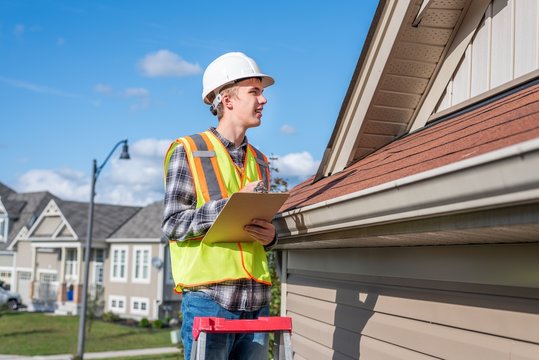
A pre-purchase home inspection is one of the most important steps before you finalize a real estate deal. Many buyers rush through the process, but a house inspection before closing helps uncover hidden issues that might cost you thousands later. A home inspection before buying gives you a clear understanding of the property’s structure, safety, and long-term condition. From electrical faults to water damage, a trained inspector can catch problems early. This is why a home inspection for a buyer is not just recommended—it’s essential. When you understand why home inspection is important, you can make smarter decisions, avoid surprises, and move toward closing with confidence and peace of mind.
During a pre-closing inspection of the house, a licensed professional evaluates all major systems and components. This includes the roof, foundation, plumbing, electrical wiring, and HVAC systems. The inspector looks for signs of wear, damage, safety hazards, and potential failures. The entire home inspection process is quite thorough: inspectors use tools such as moisture meters, thermal cameras, and testers to detect hidden problems. A pre-closing house inspection is meant to protect buyers from unexpected expenses and ensure the property is safe. Understanding what happens during the inspection helps you know what to expect and ask the right questions along the way.
A detailed house inspection checklist for buyers is crucial to ensure nothing is overlooked. Before closing, inspectors evaluate the home’s overall condition, checking for safety problems, structural weaknesses, and hidden defects. Knowing what to check before closing on a house helps you feel prepared and informed.
Inspectors check for foundation cracks, uneven floors, wall shifts, and other signs of structural instability. A proper structural and safety inspection ensures the home is safe to live in and free from potentially dangerous defects.
This includes shingles, gutters, drainage, siding, and grading. Exterior issues can lead to major repairs if left unresolved.
Essential systems are tested for efficiency and safety. Inspectors look for leaks, outdated wiring, and improper installations.
Interior inspections check for moisture intrusion, insulation quality, window performance, and signs of mold—key issues that affect your investment’s long-term value.
A home inspection before closing often reveals issues buyers can’t see on the surface. Common home defects found before closing include roof leaks, faulty wiring, plumbing blockages, HVAC failures, and improper renovations. Moisture damage is one of the biggest red flags, as it may indicate hidden mold or structural rot. Inspectors frequently find outdated electrical panels and aging water heaters, which can pose safety risks. Knowing these issues early helps you avoid problems before closing on a house and negotiating repairs or credits. A professional inspection provides clear insight into what needs immediate attention and what can wait, helping protect your investment and future budget.
Many buyers confuse a pre-closing house inspection with a final home inspection before closing, but they serve different purposes. The pre-closing inspection is the main, full evaluation of the property, covering structural, mechanical, and safety concerns. The final inspection, done just before signing paperwork, is more like a last walkthrough. It ensures all agreed-upon repairs were completed and that the home is in the condition promised. Understanding this difference helps buyers avoid misunderstandings and ensures they don’t skip crucial steps. Both inspections work together to safeguard your purchase and ensure the home is truly move-in ready.
Once the inspection is complete, buyers receive a detailed inspection report outlining all findings. This report includes photos, descriptions of issues, severity levels, and recommended repairs. A good report is easy to read and provides clear next steps. Whether it’s minor cosmetic defects or major structural concerns, the report helps you understand the home’s true condition. It also serves as documentation you can use to negotiate with sellers, plan repairs, or even walk away if the problems are too serious. For anyone undergoing a property inspection before closing, this report is one of the most valuable tools in the buying process.
A professional house inspection gives buyers strong leverage during negotiations. If the inspector identifies issues—such as faulty wiring, roof leaks, or plumbing defects—you can request repairs, credits, or a price reduction. Sellers often agree to fix major issues to keep the deal moving, making the inspection a powerful bargaining tool. A buyer’s home inspection also ensures that you’reyou’re not overpaying for a property with hidden problems. Having documented evidence of defects gives you confidence at the negotiation table. Ultimately, this protects your investment and ensures you’reyou’re moving into a safe, reliable home that aligns with your expectations.
The cost of a home inspection before closing varies depending on the property size, age, and location. Most inspections range between $300 and $700, but additional services—such as radon testing, mold inspections, or sewer scope checks—may increase the price. While some buyers hesitate about the cost, it is one of the smartest investments you can make. A single inspection can save you thousands in future repairs by identifying issues early. When considering the overall home-buying process, a pre-purchase home inspection is a small price to pay for long-term peace of mind and financial protection.
Preparing for your residential home inspection service helps ensure the process goes smoothly. Buyers should review the inspection checklist, arrive early, and be ready to ask questions. It’s also helpful to bring a notebook to jot down observations or concerns. If the home is occupied, make sure areas like the attic, basement, electrical panel, and utility rooms are accessible. A clean, clutter-free space allows the inspector to perform a complete evaluation. Being present gives you firsthand insight into the home’s condition and helps you better understand the home inspection results and recommendations before buying.
It’s best to schedule a home inspection immediately after your offer is accepted, before buying. Most contracts include an inspection contingency, giving you time to evaluate the property before committing. A timely pre-closing house inspection ensures you have enough room to negotiate repairs or back out if major issues are discovered. Avoid waiting until the end of the closing process—delays can cause unnecessary pressure. The earlier the inspection is done, the more time you have to make informed decisions. Proper timing ensures you enter closing with full transparency and confidence.
Yes, attending helps you understand concerns and ask questions.
You can negotiate repairs, request credit, or cancel the contract.
Absolutely—home defects found before closing happen even in new construction.
An inspection of the house before closing gives buyers peace of mind and protects them from unexpected issues after moving in. A thorough evaluation ensures you understand the home’s condition, negotiate repairs fairly, and prevent costly surprises. Whether you’reyou’re a first-time buyer or an experienced investor, scheduling a pre-purchase home inspection is one of the smartest decisions you can make. With a clear inspection report and proper guidance, you can confidently move toward closing knowing you’reyou’re making the right choice for your future home.