
Buying a house is exciting—but getting a home inspection in Texas is one of the smartest steps you can take. A home inspection when buying a home helps you uncover issues before committing, giving peace of mind and bargaining power. Whether you call it a house home inspection, inspection for home, or home inspection house purchase, the purpose is the same: to evaluate the condition of the home. At J Burk Home Inspections, we emphasize clear, honest reporting so you know exactly what you’re getting into. In this guide, we’ll walk you through what to expect, what inspections are needed when buying a house, how much it costs, and how to use the findings to your advantage.
A home inspection when buying a house is a professional evaluation of a property’s condition, done by a licensed inspector. The goal is to find defects, safety issues, or needed repairs before your purchase is final. Many clients ask, “what does a home inspection cover?” or “what will a home inspector check?” The scope typically includes structural elements, plumbing, electrical, HVAC, and more. In Texas, you might also request additional inspections for mold, pests, or radon. A general home inspection is the foundation—then add “specialty” checks if your property or buyer concerns warrant them.
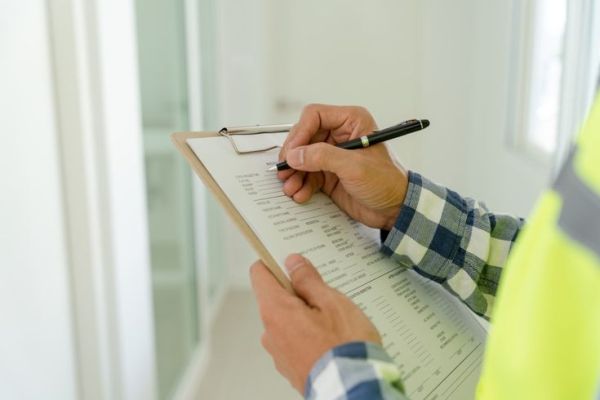
During a house home inspection, the inspector systematically assesses critical systems and components: foundation, roof, attic, walls, windows, plumbing, electrical, and HVAC. Under inspection for home, they also look for signs of water intrusion, mold, drainage issues, or poor insulation. Many homebuyers wonder what inspections are needed when buying a house—so beyond the general inspection, they may need termite, radon, or pest inspections. The inspection for house phase verifies safety, functionality, and structural integrity. At J Burk Home Inspections, our checklist is thorough, and we explain each item in your report in clear, non-technical language.
Timing matters. You should schedule your home inspection when buying a home during the contingency period—before finalizing your purchase. Asking, “should I get a home inspection before making an offer?” is common; ideally, you arrange it right after your offer is accepted and before closing. Inspection for home usually takes a few hours, depending on size and complexity. If issues arise, you might request a re-inspection or additional evaluations—inspecting a home a second time ensures repairs were properly done. The earlier you schedule, the more negotiating leverage you retain.

Many buyers ask: “what’s a low cost home inspection in Texas?” or “how much does a home inspection in Texas cost?” On average, Texas home inspections run between $300 and $500, but factors like property size, age, and required specialty inspections (pest, mold) can raise the price. Home inspection TX for larger homes or older houses may cost more. We at J Burk Home Inspections are transparent about pricing—no surprise add-ons. If you’re exploring home inspection house purchase costs, we’ll give you a clear quote up front, including all necessary checks.
When comparing home inspection companies in Texas, look for licensing, experience, and strong reviews. Many buyers search “home inspections Texas” or “home inspection companies in Texas” to begin. Make sure your inspector adheres to standards and offers detailed reports. Ask for sample reports: seeing what an inspector includes in a house home inspection shows their thoroughness. In Texas, inspectors may also be required to comply with state inspection regulations. At J Burk Home Inspections, we’re committed to integrity and clarity so your home inspection for house purchase is reliable and understandable.
One of the main reasons to get a home inspection when buying a home is to uncover red flags early. During inspection for home, common issues include foundation cracks, roof leaks, defective wiring, plumbing failures, or mold and moisture problems. For home inspection house buyers, structural problems and outdated electrical systems are among the top concerns. Our inspectors highlight what the home inspector checks and rate severity so you know which issues are urgent. Identifying these risks ahead of time helps you avoid costly surprises or potentially unsafe conditions.
After the home buyer inspections finish, you’ll get a detailed inspection report. This is your tool in negotiations: you can request repairs, credits, or “fix-or-walk-away” terms. Many ask, “what inspections to get when buying a house” after initial findings suggest additional specialized tests (mold, pests). Decide which issues are deal-breakers vs cosmetic. In Texas, as with any home inspection TX, you may renegotiate. Sometimes a re-inspection or follow-up check is needed. At J Burk Home Inspections, we’re happy to discuss your report and support you in using it.
Are inspections required for homes in Texas? While Texas doesn’t universally mandate a home inspection, many mortgage lenders or real estate contracts require them. Buyers often ask, “is a home inspection required in Texas?” Often it’s not legally required, but it’s considered essential. What inspections are needed when buying a house in Texas? The basic general inspection is standard, then add optional ones like termite, mold, or sewer scope. How long does a Texas home inspection take? Typically 2–4 hours depending on size. At J Burk Home Inspections, we answer these common questions clearly—ensuring you’re well-informed throughout your home purchase process.
Purchasing a home in Texas is one of your biggest investments—and a home inspection in Texas ensures you’re making a smart move. Whether you call it inspection for house, home inspection house purchase, or home inspection for home buyers, its purpose remains the same: reveal hidden problems, empower negotiation, and give you confidence. If you’re thinking “should I get a home inspection?” your answer should be “yes.” At J Burk Home Inspections, we partner with you, serving transparency and honest insight. Let us help you safeguard your dream home.